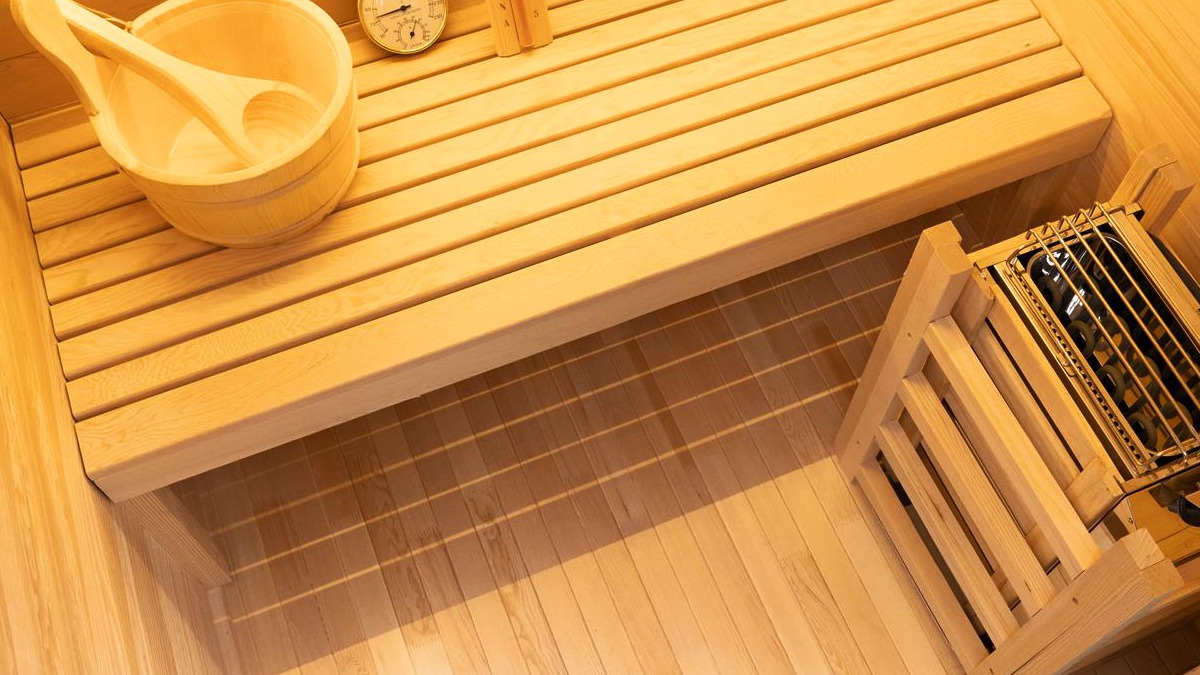
How to Use a Sauna Properly: Temperature, Timing and Etiquette
You’ve got a sauna in the house now. Or you’re about to. Either way, the first session raises the same questions every time: how hot should it be, how long should you stay in, and is there a “right” way to do this that doesn’t involve guesswork.
There is. It’s simpler than the wellness influencers make it sound, and it depends more on which type of sauna you own than most people expect. Infrared, traditional and hybrid units behave differently, run at different temperatures, and reward different habits. Get the basics right and a sauna becomes a routine you actually keep up. Get them wrong and you’ll either sit there disappointed at 45°C or bail out after four minutes wondering why anyone does this for fun.
This is a general wellness guide, not medical advice. Sauna use isn’t advised at any stage of pregnancy. If you have a cardiovascular condition or are managing any ongoing health issue, check with a doctor before you start using a sauna at home.
What Temperature Should a Sauna Be?
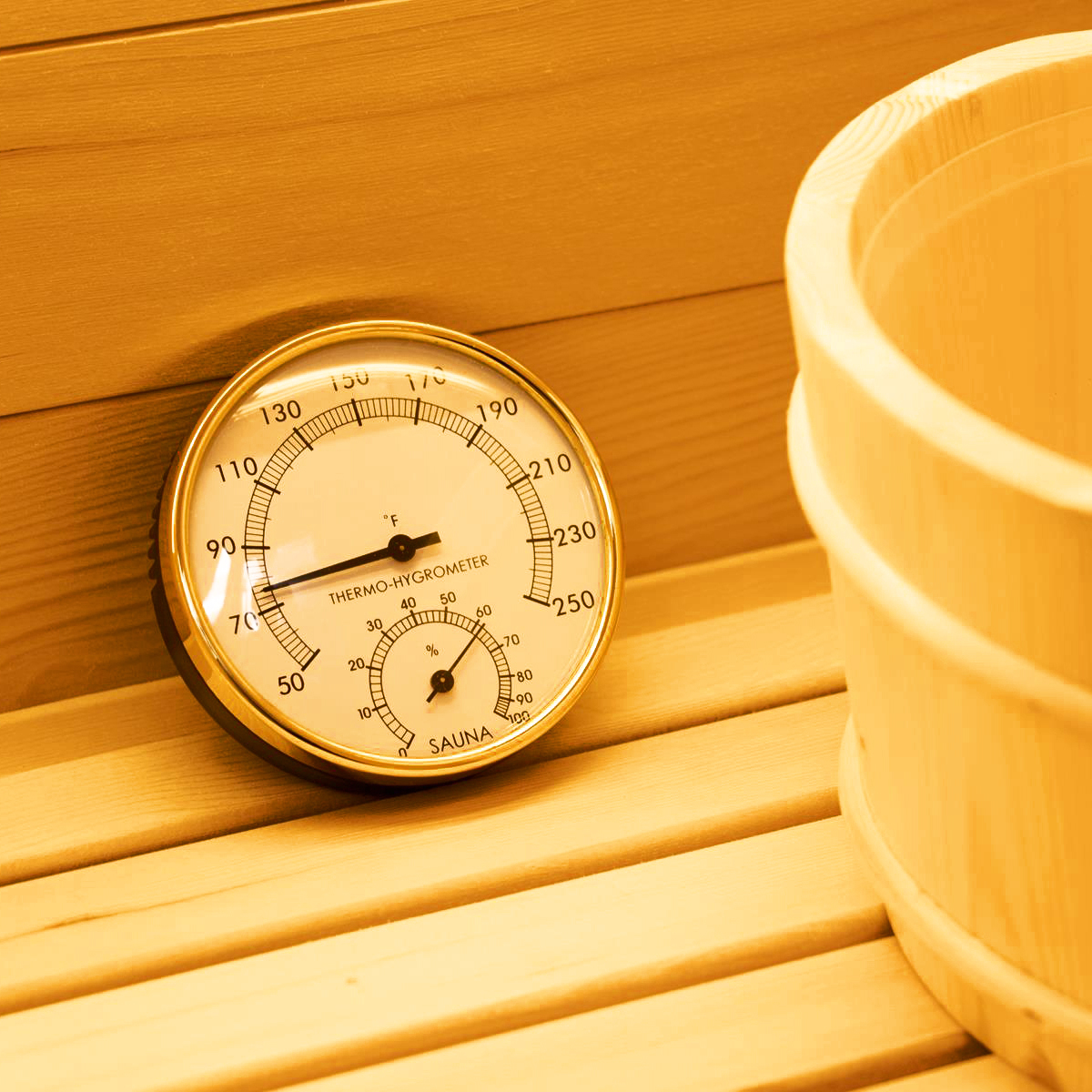
It depends entirely on the type. Infrared saunas run at 45-60°C, occasionally up to around 65°C in a well-insulated cabin. Traditional Finnish-style saunas run much hotter, typically 70-90°C, with humidity bursts from water poured on the stones.
That’s not a small gap, and it’s not a case of one being “better” than the other. Infrared heats the body directly through light, so it doesn’t need to heat the air to the same degree to produce a proper sweat. Traditional saunas heat the air and the stones, and your body responds to that ambient heat. Two completely different mechanisms, two completely different comfort ranges.
But which one is actually hotter to sit in?
Traditional, by a wide margin. A 90°C traditional cabin will feel far more intense on the skin than a 60°C infrared one, even though the infrared session may produce just as much sweat over a longer period. If you’ve only ever used a gym-style Finnish sauna and step into an infrared cabin expecting the same blast of heat, you’ll wonder if it’s even switched on. It is. It’s just working a different way.
Hybrid saunas give you both, but never at the same time. A hybrid cabin houses a full infrared setup and a full traditional stove side by side, and you switch between infrared mode (45-60°C, long gentle sessions) and traditional mode (70-90°C, shorter intense sessions with löyly steam) depending on what you’re after that day. The two heat sources don’t run together – that’s a safety design choice, not a limitation, and it keeps each mode performing exactly as it would in a standalone cabin.
How Long Should a Sauna Session Last?
For infrared, most manufacturer guidance points to around 30 minutes as a sensible maximum for a single session, with continuous daily use needing an hour’s rest for the heating elements after every two hours of total running time. That’s a generous window compared to traditional heat – it’s part of why infrared suits people who want to read, listen to something or just sit with their thoughts rather than clock-watch.
Traditional saunas work on shorter, more intense cycles. Expect around 20 minutes to reach temperature from cold, longer again – up to an hour – if you’re doing a full dry preheat before your first session of the day. Once you’re in, most manufacturers recommend a maximum session of around 20 minutes, before being conscious of and considering the effects of staying in the sauna for longer periods.
Worth noting: none of this means you have to sit in for the full recommended window every time. Ten or fifteen minutes on a weekday evening is a perfectly normal session. The maximums exist as a ceiling, not a target.

Hydration: What to Drink Before and During
Have a glass of water before you get in, and keep drinking through the session rather than waiting until you feel thirsty. That’s the whole rule, and it applies regardless of sauna type or temperature.
One thing to avoid entirely: alcohol. Drinking lowers judgement and raises heart rate, and heat stress compounds both of those effects rather than cancelling them out. A sauna is not a hangover cure, whatever the old wives’ tale says.
Cooling Down Properly
The rhythm most people settle into is heat, then cool, then rest, then repeat if they want a second round. A cool shower or a few minutes of fresh air between cycles is the traditional approach, and it gives your body a genuine reset rather than a gradual climb toward overheating across back-to-back sessions.
But is it fine to just sit in the cabin as it cools rather than stepping out?
Yes, if you’d rather ease down gradually than jolt your body with cold water straight after. Both approaches are common. The wrong move is skipping the cooldown altogether and going straight from a hot session into another one – that’s when the 15-minute rest between sessions actually earns its place in the routine.
How Often Can You Use a Sauna?
There’s no hard technical limit on frequency – some owners use their sauna once a day, others twice, and the heating elements themselves are built for regular, sustained use. The only real constraint is you: stay hydrated, listen to how your body responds, and don’t stack sessions back-to-back without a proper break in between.
Many people find a short daily infrared session fits more naturally into a routine than an occasional long one, simply because the lower temperature makes it easier to commit to consistently. Others prefer traditional heat two or three times a week as more of an event than a habit. Neither is more “correct” – it’s a question of what you’ll actually keep doing.
Who Should Check With a Doctor First
A sauna is a wellness tool, not a treatment, and it isn’t right for everyone without a check-in first. Skip a session, or get medical advice before you start, if any of the following apply:
- You’re pregnant … sauna use isn’t advised at any stage, so this one’s a skip, not a doctor’s-note situation
- You have a cardiovascular condition, impaired circulation, or take prescription medication for either
- You have a fever, an open wound, severe sunburn, or an eye condition
- You’ve had a joint injury in the last 48 hours
- You have a condition affecting heat sensitivity or regulation, such as Parkinson’s, MS, or diabetes with neuropathy
- You have a metal implant, or a bleeding condition such as haemophilia
Children under 16 shouldn’t use a sauna. Some households allow supervised use from around age six in specific circumstances, but that’s a conversation for a paediatrician, not a guess.
Sauna Etiquette for a UK Home

Most etiquette questions come from people who grew up with the gym version and are now working out what changes at home.
Sit on a towel. It’s not a house rule for the sake of it – it protects the wood and keeps things hygienic between family members using the same cabin. If your model has a floor-level heater, a towel underneath does the same job for the floor panel.
A few things never belong inside the cabin, regardless of type: wet swimwear left to dry, flammable items of any kind, and anything draped over the heater or emitter itself, which is a genuine fire risk rather than a theoretical one. Bare skin direct on the bench is fine and normal – a towel is about hygiene, not modesty.
Beyond that, home sauna etiquette is mostly about sharing well. Agree a rough running order if more than one person wants a session, wipe down the bench after you’re done, and treat the pre-heat time as part of the ritual rather than dead time to rush through.
Frequently Asked Questions
Q: Is infrared or traditional better for a beginner? A: Infrared tends to suit beginners better. The lower temperature range (45-60°C) is easier to tolerate for a first session, and the longer comfortable window means you’re less likely to feel rushed or overwhelmed before you’ve worked out your own limits.
Q: Do I need to shower before using a sauna? A: There’s no strict rule, though many people find a quick rinse beforehand feels cleaner, especially in a shared household cabin. It isn’t a technical requirement either way.
Q: Can I use a hybrid sauna in both modes on the same day? A: Yes, just not at the same time. Run one full session in infrared mode, let the cabin reset, then switch to traditional mode later if you want both experiences in one day.
Q: What’s löyly and do I need water for it? A: Löyly is the burst of steam created when water is poured over the hot stones in a traditional sauna. It’s a genuine part of authentic Finnish sauna use, not an optional extra – though a traditional sauna can be used dry if you prefer a less humid session.
Ready to bring the ritual home properly. Browse the sauna range and compare infrared, traditional and hybrid models side by side.
- About the Author
- UK’s best-rated?

With over 22 years in the home spa industry, Andrew has overseen every stage of the journey—from initial product design and manufacturing to final installation. An author of multiple technical publications and scientific papers, he founded Vidalux to replace industry hype with engineering-led reliability. His focus remains on delivering gym-quality wellness through honest design and technical truth.
DISCLAIMER: All specifications, claims, and advice relating to any internal or external procedure, practise, product, or service were true at the time of writing. For more accurate and up-to-date details in relation to Vidalux services, please visit the relevant dedicated on-site page. For any product-related information, specifications, or guidance, the information on the product page should be considered the governing source.