Sauna Stones Explained: Buying, Arranging and Replacing
If you’ve just taken delivery of a traditional or hybrid sauna, you’ve probably noticed a small mountain of stones sitting in the box next to the stove. New owners tend to ask the same three questions… how many go in, how should they be arranged, and what happens when they wear out. This guide answers all three, plus how to keep the stones you’ve got working properly for longer.
Do All Saunas Use Stones?
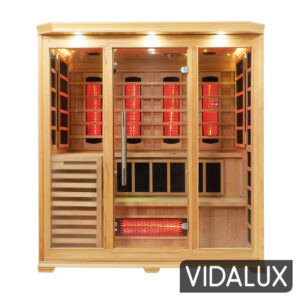
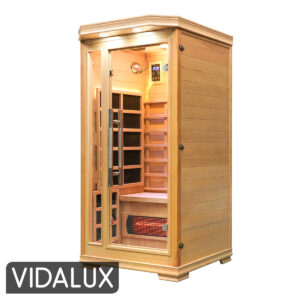
No. Sauna stones only apply to traditional and hybrid saunas… if you own a pure infrared model, there are no stones and no water involved anywhere in the cabin.
Infrared saunas warm the body directly through light wavelengths rather than heating the air, so there’s no stove, no rock basket and no löyly to create. If you’ve bought an infrared-only Vidalux sauna, you can stop reading here… this guide is for traditional stove and hybrid owners. Hybrid owners get the full traditional stove and rock basket alongside their infrared heaters, switched between one mode at a time rather than run together.
What Do Sauna Stones Actually Do?
Sauna stones store heat from the stove’s elements and release it as steam the moment water hits them. That steam burst is called löyly, and it’s what turns a hot room into an authentic Finnish sauna session.
Pouring water onto the rocks doesn’t move the air-temperature reading on the thermometer much… what it does is create a noticeable blast of heat and humidity that spreads more evenly through the cabin, which is why löyly feels far more intense than the number on the dial suggests. Think of the stones as a heat battery sitting on top of the element… the stove charges them up, and a splash of water discharges that heat back into the room in one go.
Does adding water damage the heater?
No, small amounts of water on the stones are exactly what the stove is designed for. What you should never add is oil or aromatherapy liquid directly onto the stones… both are flammable when they hit the hot elements underneath. If you want scent in the cabin, use an aftermarket diffuser instead.
What Type of Stone Does Vidalux Use?

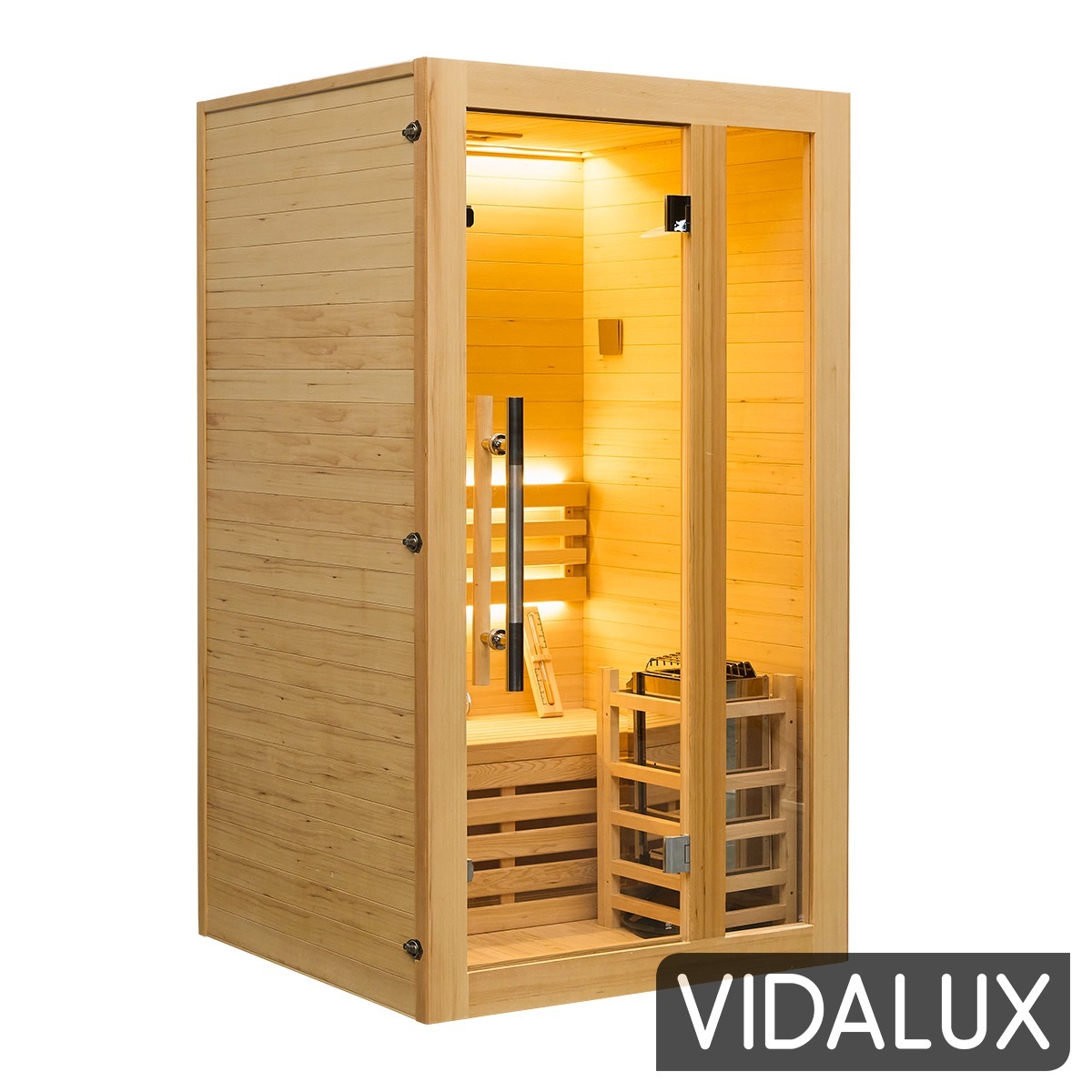
Vidalux traditional and hybrid stoves ship with lava stones as standard, included alongside the heater, water bucket, ladle, sandglass and hygro-thermometer on the Klassikko and Elegant ranges. A traditional stove typically runs at 4.5kW and reaches 70°C to 90°C… hybrid cabins offer that same traditional mode alongside a separate infrared mode that sits at a gentler 45°C to 60°C, so the two experiences never overlap.
Lava stone is dense and porous enough to hold heat without shattering under repeated water contact, which is exactly what a stove element needs from the rock sitting directly on top of it.
How Many Stones Do You Need?
Load the heater fully with stones right up to the grille. That’s the correct amount, and it’s completely normal to have a handful of stones left over once the heater’s full… you don’t need to force every last one in.
But what if the sauna isn’t getting hot enough?
Too many stones packed on can restrict airflow around the elements and hold the cabin back from reaching temperature. If that’s happening, try removing a few and see whether performance improves before assuming the heater itself is faulty. Go too far the other way, though, and there’s a real risk… too few stones means water can drop straight through instead of being absorbed and turned to steam. The balance is enough rock to protect the elements and hold heat, without smothering the airflow the stove needs to breathe.
How to Arrange the Stones for Better Steam

Arrangement matters as much as quantity. Stack bigger stones at the bottom of the basket, smaller between elements and even smaller ones on top, and leave a small gap between the outer stones and the wooden surround around the stove.
The step-by-step process is straightforward:
- Remove the top grille retainer from the stove.
- Pack the stones in and around the heater elements, working from the bottom up.
- Leave gaps between the stones rather than wedging them in tightly… packed-too-tight stones choke the airflow the elements need to heat evenly. As well as straining or applying force to the elements
- Replace the grille cover once loading is complete.
Packing stones is a bit like stacking logs in a fire grate… crowd them together with no air gaps and the fire smoulders instead of burning cleanly. Sauna stones behave the same way against the elements. Hybrid owners follow the same process for the stove side of the cabin… if you’re not sure the stove is assembled correctly before you start loading stones, a quick photo sent to the Vidalux team will confirm it’s ready.
Cleaning and Rinsing Your Stones
Rinse new stones under water before their first use to clear off any dust from manufacturing and transit. After that, an occasional rinse and a visual check for cracked or crumbled pieces is all the routine care they need… there’s no ongoing chemical cleaning regime to follow.
When (and Why) to Replace Sauna Stones
Sauna stones crumble and turn dusty over time. That’s normal wear rather than a fault… repeated heating and cooling cycles gradually crack the stone, the same way any rock exposed to sustained heat stress eventually will.
Once you’re noticing dust building up in the basket, stones crumbling when you touch them, or the löyly effect feeling weaker than it used to, it’s worth swapping the affected stones out rather than waiting for the whole basket to fail at once.
Getting Replacement Stones from Vidalux
Vidalux supplies replacement sauna stones through its spares service… as a supply-only retailer, we don’t fit or service heaters on site, but keeping your own stove topped up with fresh stone is a job most owners are comfortable doing themselves once they’ve done it once.
Whether you’re loading a new cabin for the first time or refreshing a stove that’s a few years into regular use, the same principles hold… fill to the grille, stack big to small, leave room to breathe, and replace what’s crumbled. Browse the full traditional sauna range to compare traditional and hybrid models, or get in touch about spare stones for the one you’ve already got.
- About the Author
- UK’s best-rated?

With over 22 years in the home spa industry, Andrew has overseen every stage of the journey—from initial product design and manufacturing to final installation. An author of multiple technical publications and scientific papers, he founded Vidalux to replace industry hype with engineering-led reliability. His focus remains on delivering gym-quality wellness through honest design and technical truth.
DISCLAIMER: All specifications, claims, and advice relating to any internal or external procedure, practise, product, or service were true at the time of writing. For more accurate and up-to-date details in relation to Vidalux services, please visit the relevant dedicated on-site page. For any product-related information, specifications, or guidance, the information on the product page should be considered the governing source.
Ready to choose?
Browse the full Vidalux range of saunas, steam showers, baths and shower cabins, all in one place